
Why Your Back Spasms After Lifting, and How to Lift Smarter
You bend to pick up a box, a bag of mulch or a toddler, and your back grabs. Sometimes it happens hours later. Here is why lifting sets off back spasms, what to do in the first few days, and the lifting habits that actually help.
The Short Answer
Back spasms after lifting usually happen when the muscles are asked to do more than they’re ready for: a heavier load than usual, a load held far from the body, a quick twist, or lifting after hours of sitting. The muscles tighten to protect the area. Most spasms settle within a few days with gentle movement and heat or ice.
To lower the odds next time, keep the load close, avoid twisting under weight, build strength gradually, and get help with anything awkward or heavy.
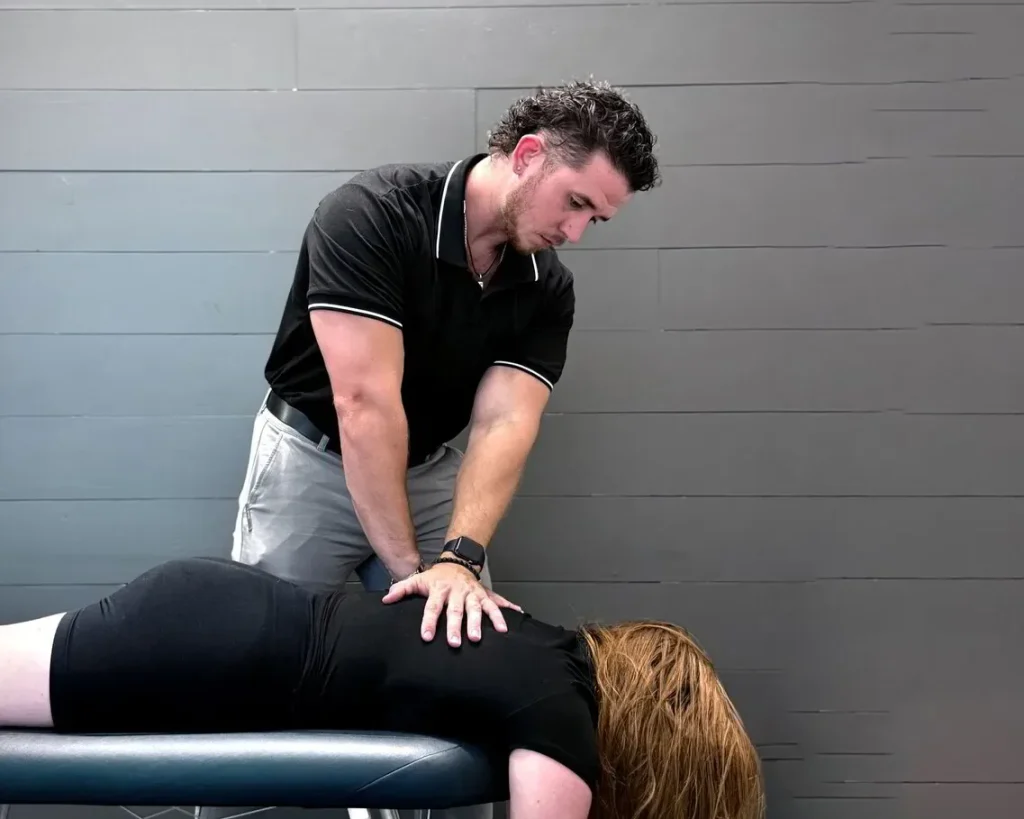
Why Lifting Sets Off a Spasm
According to Cleveland Clinic on back spasms, overuse from heavy lifting is one of the most common causes, and so is the opposite: long periods of sitting and too little exercise that leave the back and stomach muscles weak. Put those together, like a weekend project after a week at a desk, and you have a classic setup.
A few things make a lift more likely to end in a spasm:
- A load that’s heavier or more awkward than you’re used to
- Holding it far out in front of you
- Twisting while you lift or set it down
- Lifting when you’re already tired, stiff or stressed
- A sudden jump in activity, like the first big yard day of spring
The spasm itself is the muscles clamping down to guard the area. That’s why a light object can be the last straw when the real cause is fatigue or a sudden change in load. It’s also why spasms that keep returning after lifting are worth a closer look, since recurring back spasms usually have a reason.
What to Do in the First Few Days
- Keep moving gently. Cleveland Clinic notes bed rest is no longer recommended. Short walks and normal activity within what you can tolerate usually help.
- Use ice or heat. Apply it for 20 to 30 minutes at a time with a towel between the pack and your skin, then take a similar break. Choosing between heat and ice comes down to timing and comfort.
- Avoid heavy lifting for a few days. Let the muscles settle before you load them again.
- Get up regularly. If you sit for work, stand and move about every 30 minutes.
How to Lift Smarter
MedlinePlus on lifting and bending recommends these basics:
- Stand close to the object with your feet about shoulder width apart
- Bend at your knees and hips and tighten your stomach muscles as you lift
- Hold the load as close to your body as you can
- Lift slowly and don’t twist your back while lifting or carrying
- Get help with anything too heavy or awkward
There’s an honest wrinkle here. Researchers at Curtin University, writing in The Conversation, found no evidence that lifting with a rounded back causes back pain, and they note pain-free workers often lift with a more stooped style. So the exact back angle may matter less than you’ve been told. What holds up across the board is keeping the load close, avoiding sudden twists under weight, not lifting more than you’re ready for, and building strength over time.
What to Look for in a Provider
If lifting keeps setting off spasms, a few things are worth asking about before you book.
- An exam before any treatment. Range of motion, orthopedic and neurologic testing, and a look at your hips and pelvis.
- A plan for your real work. Your job, sports and home projects should shape the exercises you get.
- Strength, not just relief. Good care builds your capacity to lift, not only calms the current flare.
- A willingness to refer. If something points outside chiropractic, you should hear that plainly.
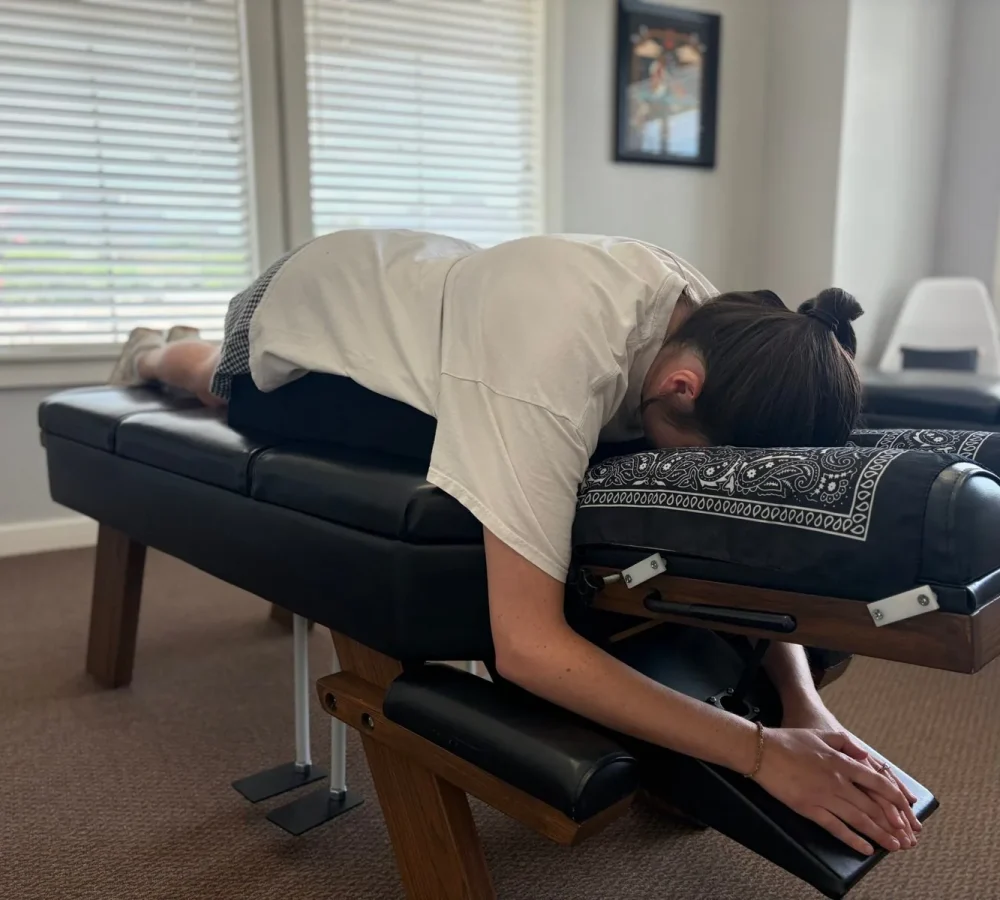
Build a Back That Handles Load
The best protection is a body that’s ready for what you ask of it. Gradually building strength in your hips, legs and core, practicing the lifts you do in real life with lighter loads, and warming up before heavy work all help. For people who lift at the gym or in sports, this often overlaps with sports chiropractic for active adults, and for everyone else, exercises matched to your exam are a good place to start.
What a Visit Looks Like at River of Life
Every first visit starts with a detailed history of when the spasms happen and what you were lifting, then a hands-on exam of your low back, pelvis and hips with orthopedic and neurologic testing. Looking at the whole pattern is why we examine before adjusting. If care is a good fit, it follows three steps: Prime, guided breathing to help braced muscles settle; Facilitate, a gentle, specific adjustment; and Integrate, the strength and lifting practice that carries over between visits.
When a Back Spasm Needs Medical Care
Most lifting spasms settle on their own. Cleveland Clinic advises getting care right away for these signs.
Get medical care right away for:
- Loss of bladder or bowel control
- Weakness in the arms or legs
- Numbness or weakness on one side of the body
- Loss of balance or coordination
- Pain so severe you can’t move, which is a reason to call 911
Back still grabbing after a lift?
We’re glad to answer questions before you book. See what to expect at your first visit.
Sources
This article is for general education and is not medical advice. For questions about your own health, talk with your doctor or another qualified healthcare provider.
From the team at River of Life Chiropractic, 4519 Mills Park Cir Ste 300, College Station, TX 77845.
About the Author
Dr. Levi Hansen, DC
Founder of River of Life Chiropractic in College Station, TX
Webster Certified (ICPA)B.S. Neuroscience, WSU
Raised in Kenai, Alaska, Dr. Hansen played football at Washington State, earned a B.S. in Neuroscience, then his Doctor of Chiropractic from Parker University. Every visit starts with a real exam, followed by his three-step Prime, Facilitate, Integrate process.
- Every visit starts with a physical exam
- Nervous system scans and digital X-rays
- Care for families, athletes and expecting moms
- 4519 Mills Park Cir Ste 300, College Station, TX
Prefer to call? (979) 383-2105
What College Station Is Saying
Real feedback from the patients we’ve had the privilege to care for


 Trustindex verifies that the original source of the review is Google.
 Trustindex verifies that the original source of the review is Google.
 Trustindex verifies that the original source of the review is Google.
 Trustindex verifies that the original source of the review is Google.
 Trustindex verifies that the original source of the review is Google.
 Trustindex verifies that the original source of the review is Google.
 Trustindex verifies that the original source of the review is Google.
 Trustindex verifies that the original source of the review is Google.
 Trustindex verifies that the original source of the review is Google.
 Trustindex verifies that the original source of the review is Google.
VISIT OUR OFFICE
Contact us for expert chiropractic care in College Station, TX.
PHONE
HOURS
Monday: 9am – 1pm, & 3pm – 6pm
Tuesday: 3pm – 6pm
Wednesday: 9am – 1pm, & 3pm – 6pm
Thursday: 9am – 1pm, & 3pm – 6pm
Friday: 9am – 1pm, & 3pm – 6pm
Saturday: Closed
Sunday: Closed